Beverages kosher certification.
More than just liquid
Grape-Derived Ingredients
Juice, concentrate, and certain colors from grapes carry special kosher rules.
Flavors & Extracts
A single flavor can blend dozens of components from many suppliers.
Processing Aids & Filtration
Clarifying agents and filtration media can affect kosher status.
Colors & Additives
Some colorings, like carmine, raise concerns; we confirm each one.
Beverage types we certify


Why a beverage is never just a liquid
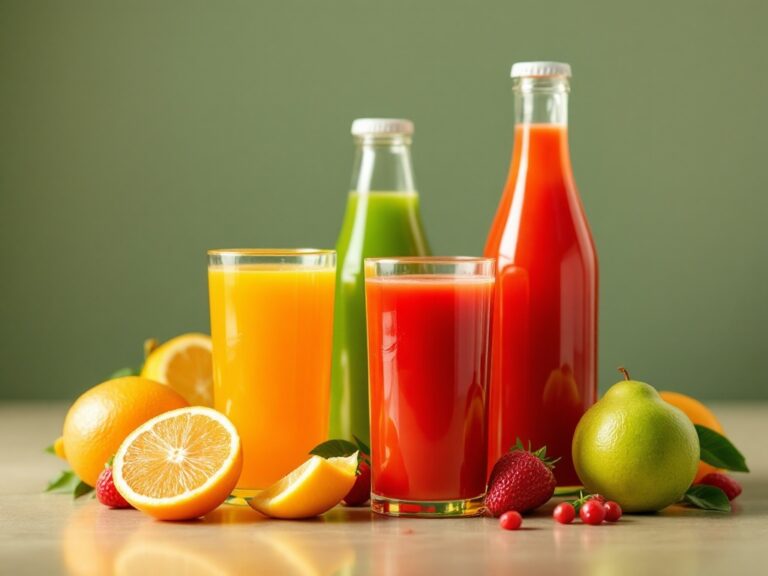
To a consumer, a bottled drink looks simple — water, a little flavor, maybe some color. To a kosher certifier, it is a formula. A single soda or functional beverage can carry a dozen ingredients, and almost none of them are what they appear to be on the label. “Natural flavor” is a compound of a dozen sub-components sourced from separate suppliers. “Color” may be an insect-derived pigment. The clarifying step that makes a juice look clean can involve an animal-derived fining agent that never appears on the ingredient statement at all. Beverages are also the one category where anything grape-derived triggers a distinct and stricter body of kosher law, so a trace of grape juice, grape skin extract, or wine-based flavoring changes the entire supervision picture. That is why beverage certification is less about the finished drink and more about tracing every additive, aid, and carrier back to its true origin.
What we verify in every beverage product
Grape-derived ingredients
Grape juice, grape concentrate, grape-skin extract, tartaric acid, and grape-based flavorings all fall under the specialized rules that govern wine and grape products in kosher law — rules far stricter than those for ordinary ingredients. Because these derivatives appear in juice blends, sangria-style beverages, and even some “fruit punch” flavor systems, we flag any grape lineage immediately and verify its handling from crush to bottle. If you are wondering how deep this scrutiny runs, our guide on whether wine is kosher explains why grape products are treated in a category of their own.
Flavors and extracts
Flavor houses build beverage flavors from long lists of aromatic chemicals, solvents, and carriers, and the same flavor name can be assembled differently by two suppliers. Vanilla is the classic example: it can be a clean water-based extract or an alcohol-carried compound whose alcohol source matters. We obtain the full breakdown of every flavor system and verify each sub-component, exactly as our explainer on whether vanilla extract is kosher lays out. Nothing is accepted on the strength of a flavor name alone.
Colors and additives, including carmine
Red, pink, and purple beverages frequently owe their color to carmine, a vivid pigment extracted from insects — and therefore a serious kosher concern. Other colorants raise their own questions about carriers and processing aids. We identify the exact colorant used in your drink and its source, drawing on the same analysis found in our piece on whether carmine is kosher. Where a colorant is problematic, we work with you to identify a compliant alternative before it ever reaches a certified run.
Sweeteners and syrups
High-fructose corn syrup, cane sugar, glucose syrups, and high-intensity sweeteners each pass through their own refining and processing chains. Liquid sweeteners are often shipped in tankers that previously carried other, potentially non-kosher, loads, so tanker history and wash records matter as much as the syrup itself. We verify the sweetener source, the refinery, and the transport chain so that the sugar profile that defines your beverage’s taste is also fully accounted for on the certification side.
Processing aids and filtration
Some of the most important kosher questions in beverages never appear on the label at all. Fining agents used to clarify juices and wines — gelatin, isinglass, casein — can be animal- or dairy-derived, and filtration media can carry their own concerns. Because these aids are consumed by the process rather than added to the recipe, they are easy to overlook and exactly the kind of hidden detail our reviewers are trained to surface. We document every clarification and filtration step so the “invisible” parts of your process are certified alongside the visible ones.
Dairy and functional additives
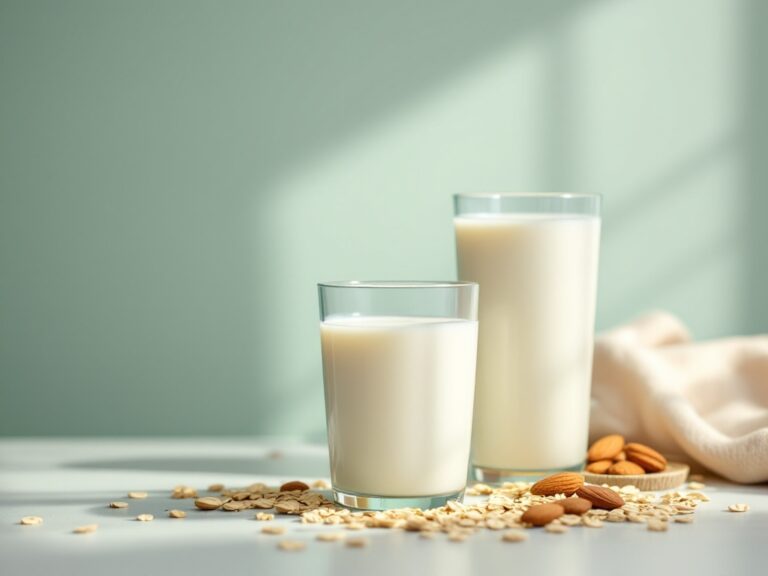
Protein waters, creamers, meal-replacement drinks, and coffee beverages often contain milk proteins, whey, or dairy-derived functional ingredients that require a dairy designation — while an otherwise identical plant-based version can be certified pareve. Coffee and tea themselves are generally straightforward, but ready-to-drink and flavored versions bring back the flavor, sweetener, and creamer questions above; our overview of whether coffee is kosher walks through where the real sensitivities lie. We map each functional additive so your beverage carries the correct designation.
Dairy vs. pareve: getting the designation right
For functional and dairy-forward drinks, the single most consequential decision is whether the product is labeled dairy or pareve. A pareve designation is commercially valuable — it lets a beverage be consumed with or after a meat meal and widens its market — but it can only be assigned when every ingredient and the equipment itself are genuinely free of dairy. A protein shake made with whey is dairy, full stop; a plant-protein version on a dedicated line can be pareve. We examine the ingredients, the shared-equipment picture, and the cleaning protocols between runs to assign a designation you can defend, so your label is both accurate and as commercially useful as the formula allows.
How Pure K certifies your beverage products
Our process begins with a full ingredient and formula review, moves through supplier documentation for every flavor, color, sweetener, and processing aid, and includes an on-site look at your production, filtration, and filling lines. Because beverages lean so heavily on hidden additives and grape-derived sensitivities, we do the tracing work upfront rather than leaving surprises for an audit. The result is a certification that stands up to scrutiny from your customers, your retail partners, and the kosher consumer.
Whether you produce a single flavored water or a full portfolio of juices, sodas, and functional drinks, we tailor the review to your formulas and your plant. To see exactly what certification would involve for your products, request a free, no-obligation quote and we’ll map the path from your current formulas to a certified, market-ready line.
Questions Beverages companies ask
Grape products carry unique kosher rules and must be handled appropriately through production. We verify the source and supervision of any grape-derived component.
Yes — flavors are complex blends, which is exactly why they require careful kosher review.
Usually minor, but certain filtration media and processing aids do need checking. We review your full process.
Proteins, vitamins, and dairy-derived additives all need verification and can affect your product’s dairy or pareve status.