Snacks & Confectionery kosher certification.
Sweet products, careful sourcing
Gelatin & Gelling Agents
Conventional gelatin is often non-kosher; we verify or suggest alternatives.
Carmine & Colors
Insect-derived colors like carmine raise concerns we screen for.
Emulsifiers & Glazes
Lecithin, glazes, and confectioner's coatings need verification.
Shared Lines
Dairy and allergen lines affect your designation.
Snack & confectionery product types
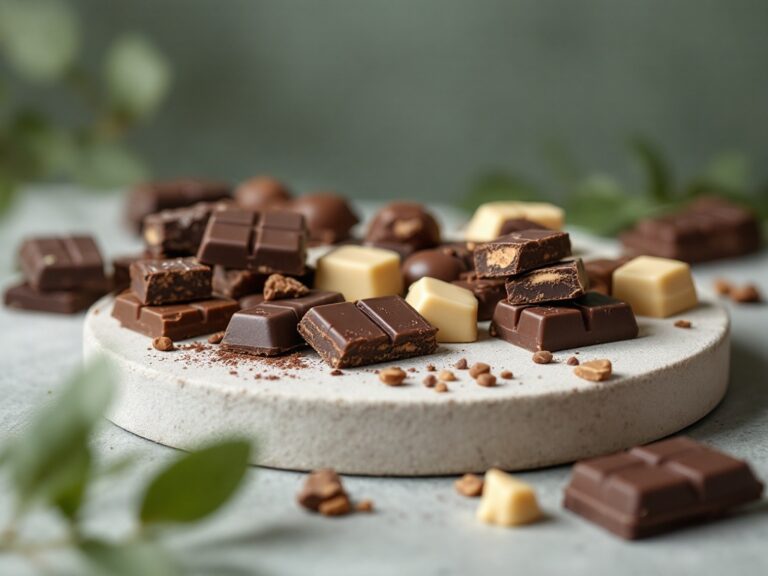
Chocolate

Chips & Savory Snacks

Cookies & Bars
The most kosher concerns per bite
Few categories pack as many kosher-sensitive ingredients into as small a product as snacks and confectionery. A single gummy bear can involve gelatin, an insect-derived color, a glaze made from shellac or waxes, and a glycerin-based texture agent — four distinct concerns in a candy that weighs a few grams. Chocolate brings dairy status and emulsifier questions; savory snacks bring frying oils and shared seasoning lines; coated and panned confections bring glazes and release agents that never appear prominently on the label. Confectionery is also a category where products are engineered for texture and appearance, and it is precisely those functional ingredients — the gelling agents, the shine, the emulsifiers — that carry the kosher weight. Certifying a candy or snack line means accounting for a remarkable density of concerns in a very small package.
What we verify in every snack & confectionery product
Gelatin and gelling agents
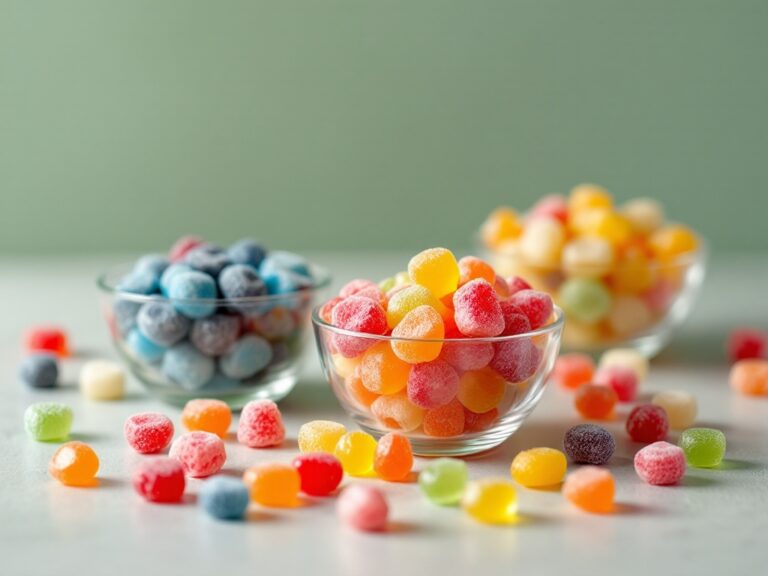
Gelatin is the defining ingredient of gummies, marshmallows, and many chews, and it is almost always animal-derived — making it one of the most significant kosher concerns in the entire category. Its source and production must be verified, and where a product uses pectin or other plant-based gelling agents instead, that too must be confirmed. Our guide on whether gelatin is kosher explains why this single ingredient so often determines a product’s status. We establish the exact gelling system in each product before anything else.
Carmine and colors
Bright confectionery relies heavily on color, and reds and pinks frequently use carmine, the insect-derived pigment that is a recognized kosher concern. We identify every colorant and trace its source, drawing on our analysis of whether carmine is kosher, and flag any that need substitution. In a product designed to catch the eye, color is never a minor detail.
Glazes, waxes and coatings
The shine on a panned candy or the protective coat on a chew often comes from confectioner’s glaze, shellac, carnauba wax, or beeswax — coatings that carry their own sourcing questions and are easy to miss because they appear low on the ingredient list. We review every glaze and coating for source and compliance, since the finish on a confection is as much a formulated ingredient as the center it surrounds.
Emulsifiers and glycerin
Glycerin softens and stabilizes countless candies and snack bars, and it can be plant- or animal-derived — a distinction that matters and isn’t visible on the label. Emulsifiers play a similar role in texture and shelf life. We verify the source of glycerin and every emulsifier against supplier documentation, following the reasoning in our explainer on whether glycerin is kosher, so these texture agents are fully accounted for.
Chocolate and inclusions
Chocolate coatings, chips, and inclusions are everywhere in confectionery, and their dairy status and emulsifiers vary by supplier — a “dark” chocolate can still be processed on dairy equipment. Nuts, cookie pieces, caramel, and other inclusions each add their own ingredient lists. Our overview of whether chocolate is kosher covers what to check, and we treat each inclusion as its own formula so a compliant candy isn’t undone by what’s folded into it.
Dairy and shared lines
Milk chocolate, caramel, and cream centers make dairy status a constant question in confectionery, and most candy plants run dairy and non-dairy products through shared equipment. We examine your line schedules, cleaning between runs, and ingredient staging to assign accurate dairy or pareve designations. A pareve designation, where genuinely supportable, meaningfully widens a candy’s market — so getting this right is both a compliance and a commercial matter.
Decorations and toppings
Decorative toppings deserve their own attention because they concentrate several concerns at once. Sprinkles, nonpareils, sanding sugars, and edible glitters combine colors — sometimes carmine — with glazes, waxes, and occasionally shellac, all in a component that seems trivial. Our guide on whether sprinkles are kosher shows how much sits inside these small decorations. We verify every topping and decoration with the same rigor as the candy it adorns, so the finishing touch never becomes the weak link.
How Pure K certifies your snack & confectionery products
We begin with a detailed review of every formula — gelling agents, colors, glazes, glycerin, emulsifiers, chocolate, inclusions, and decorations — backed by supplier documentation for each. We then look at your plant to understand dairy and pareve line management and cleaning between runs. Because confectionery packs so many concerns into so little product, this thorough tracing is what makes a certification you and your buyers can trust.
From a single gummy or chocolate bar to a full seasonal confectionery range, we tailor the review to your recipes and equipment. To find out exactly what certification would involve for your products, request a free, no-obligation quote and we’ll map the path to a certified, market-ready line.
Questions Snacks & Confectionery companies ask
Often, yes — conventional gelatin is usually non-kosher. We verify kosher gelatin or help you switch to pectin or agar.
Carmine is insect-derived and raises a concern; certified products generally use alternatives.
Confectioner’s glaze and similar coatings need source verification, which we handle.
Yes — running on dairy equipment can make a product dairy. We review your lines and label clearly.