Dairy kosher certification.
Dairy, with the standards your market expects
Cultures & Rennet
Coagulants and cultures can be animal-derived and need verification.
Cholov Yisroel
Supervised milking for customers who hold this standard.
Equipment & Kashering
Shared dairy equipment and proper kashering shape your certification.
Clear Designation
We label Dairy or Cholov Yisroel unmistakably.
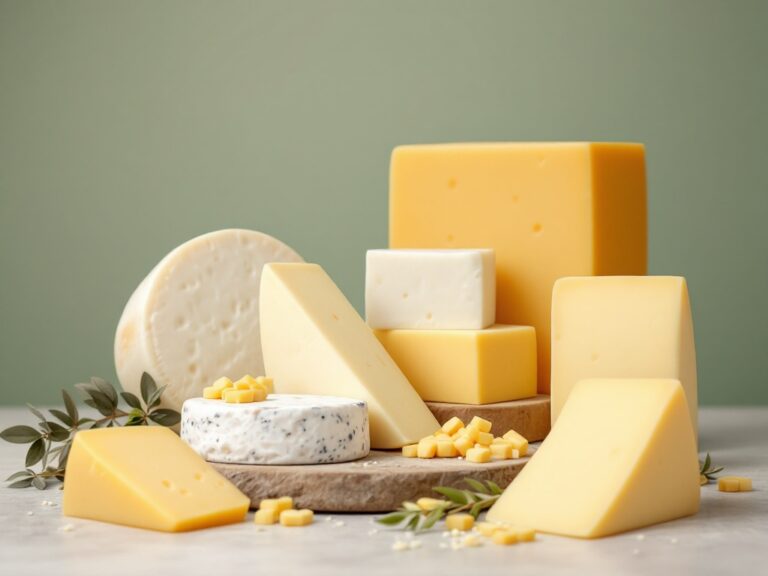
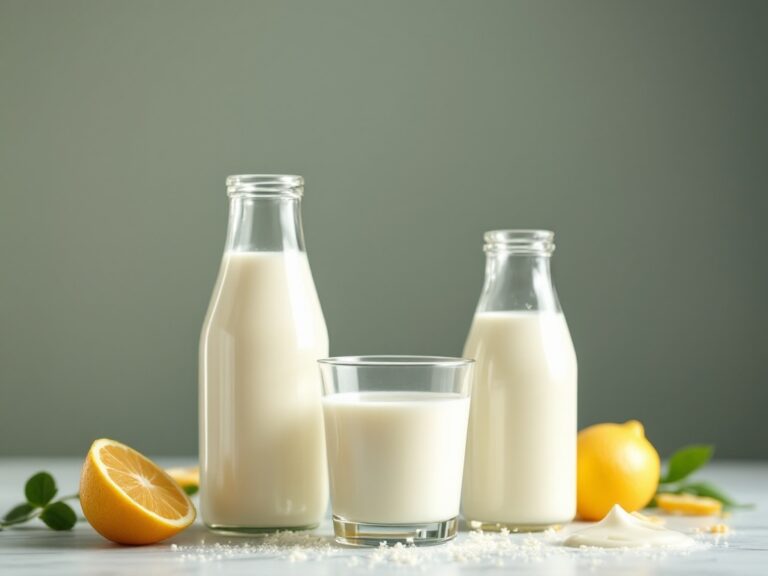
Dairy product types we certify


Why dairy is one of the most supervision-intensive categories
Dairy sits at the center of kosher law, and it carries concerns that most other food categories simply don’t. Milk is kosher only when it comes from a kosher animal, which is why the source of your milk — and, for many communities, whether the milking was supervised — matters before a single other ingredient is even considered. Layered on top of that are cultures, coagulants, stabilizers, and equipment questions, any one of which can change your product’s status. It’s also a category where a single designation — dairy, and for some customers Cholov Yisroel — determines how and where your product can be sold. Because of all this, dairy certification is less a one-time check than the verification of an entire production chain, from the farm through the fill line. Pure K handles that full chain and labels your product so buyers know exactly what they’re getting.
What we verify in every dairy product
Rennet and coagulants
Cheese and many cultured products rely on a coagulant to set the milk, and rennet is the classic kosher concern. Animal rennet, drawn from an animal’s stomach lining, requires a kosher source to be acceptable; microbial rennet, produced by fermentation, is generally easier to certify; and vegetable rennet offers a plant-based route. We trace the rennet behind every batch to its exact source and, where cheese is involved, review it against the standard your market expects. Our guide explains whether rennet is kosher in full.
Cultures and probiotics
Starter cultures, probiotic strains, and the media they’re grown on all factor into a cultured product’s status. Yogurts, kefirs, and cultured creams live and die by these cultures, and the growth medium can quietly introduce a concern even when the culture itself is fine. We verify each culture and its medium, along with any added probiotics, before it reaches your tank.
Whey and dairy byproducts
Whey is one of the most common dairy ingredients and one of the most misunderstood. It’s dairy, so it carries that status into any product that uses it — but there’s a second layer, because much whey is a byproduct of cheesemaking, and cheese made with animal rennet raises its own concern. Whey protein, whey powder, and whey permeate all get traced to their source and the cheese process behind them. Read more on whether whey is kosher.
Stabilizers, gelatin, and fruit preparations
Texture ingredients are a frequent surprise. Gelatin — common in some yogurts and desserts — is usually animal-derived and a top concern; we verify it or help you move to pectin, agar, or carrageenan. Fruit preparations, jams, and variegates bring their own colors, flavors, and thickeners, each of which we review before it’s blended in.
Flavors, sweeteners, and inclusions
Vanilla and other flavors can carry alcohol or grape-derived components; sweeteners and syrups can hide grape or processing concerns; and inclusions like cookie pieces, candy, or caramel each need their own verification. For flavored milks, creamers, and ice creams, these add-ins are often where the real review happens.
Equipment, shared lines, and kashering
Even a clean ingredient list can be affected by how a product is made. Equipment shared with non-kosher or differently designated products, and the cleaning and kashering between runs, shape what your product can be certified as. Our rabbinic representatives review your lines and, where needed, establish the kashering procedures that keep your certification intact.
Cholov Yisroel and dairy designations
Every certified dairy product is labeled dairy (the “D” designation), signaling that it contains or was made with dairy. Beyond that, many customers observe Cholov Yisroel — a stricter standard requiring that the milking process is supervised by an observant Jew from start to finish. Others rely on general oversight of the milk supply, sometimes called Cholov Stam. Both are widely used, and which you need depends entirely on your market. Pure K can certify to either and labels your product unmistakably, so there’s never ambiguity on the shelf. Our guide breaks down what Cholov Yisroel means and when your products need it.
How Pure K certifies your dairy products
Certification begins with a free conversation and a clear quote, followed by a review of your full ingredient and supplier list — milk source, cultures, coagulants, and every add-in. A rabbinic field representative then inspects your facility and lines, confirming that the real process matches the paperwork and identifying any kashering or scheduling that helps. Once standards are met, we issue your certification and letter of authorization, apply the Pure K symbol with the correct dairy designation, and stay involved with ongoing supervision and annual renewal.
Throughout, we explain the reasoning behind every decision — not just a verdict — so you always understand why your product is certified the way it is. When you’re ready, request a free, no-obligation quote and we’ll map out exactly what certifying your dairy line involves.
Questions Dairy companies ask
It’s a stricter dairy standard with supervised milking. You need it only if your customers observe it — and we can provide it.
Yes, especially for cheese — rennet and cultures can be animal-derived, so we verify their source.
Yes — ice cream, creamers, and frozen dairy are all within scope.
As Dairy, or Cholov Yisroel where applicable, with the designation shown clearly on the mark.