
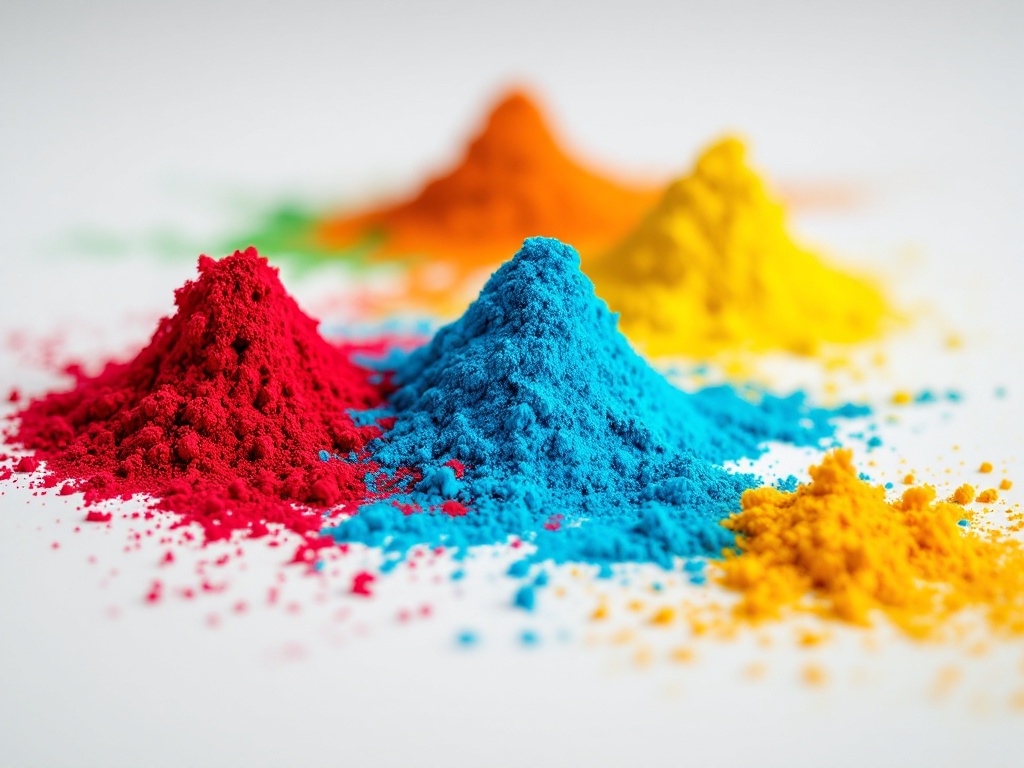
INGREDIENTS & FLAVORS · COLORS
Food color kosher certification.
Natural and synthetic colors — carmine, annatto, and carriers verified to source.
WHAT WE CHECK
Colors hide a key concern
The biggest color concern is carmine — an insect-derived red. We verify your colorants and carriers and, where carmine is used, guide you to certified alternatives like beet or lycopene.
Carmine & Cochineal
Insect-derived reds raise a concern; alternatives confirmed.
Natural Colors
Beet, annatto, turmeric, and lycopene verified to source.
Carriers & Solvents
Color carriers and solvents verified, including grape-derived.
A deeper look at color certification
Why food colors need careful kosher review
Colorants look simple on a label, but they carry one of the most well-known kosher concerns in the whole ingredient world. Some of the most popular reds are insect-derived, natural colors are extracted with solvents and stabilized on carriers, and even synthetic dyes arrive as blends that need to be traced to their true inputs. Because color is used across so many finished products, a single certified colorant can unlock certification for an entire customer base — which is why colors are a core part of our ingredients & flavors certification program and why we review each one to source.
What we verify in colors
Carmine and cochineal
The single biggest concern in the color category is carmine, also sold as cochineal or carminic acid — a brilliant red pigment extracted from insects. Because it is not acceptable for kosher certification, we flag it wherever it appears, including in blends and shades where it is used only as a minor tinting component. If you want the underlying detail, our guide on whether carmine is kosher explains exactly why it is treated the way it is.
Natural colors and their sources
Annatto, turmeric, beet, paprika, anthocyanins, and chlorophyll are plant-derived, but the way they are extracted and standardized still needs verifying. We confirm the source material, the extraction solvent, and any co-processed ingredients so a color that reads as “natural” is genuinely acceptable from start to finish.
Carriers, solvents, and diluents
Colorants are rarely sold neat. They are dispersed in oils, glycerin, propylene glycol, or dextrose carriers, and coated onto lake substrates, all of which need their own review. A pigment can be perfectly acceptable while its carrier is the actual concern, so we verify the complete formulation rather than just the coloring matter.
Blends and shared equipment
Custom shades are built by blending multiple colorants, so a finished color inherits every concern from every component. We also review shared milling and blending equipment, since pigments and carriers can carry over between runs. Confirming your changeover procedures keeps each certified color clean.
Documentation your buyers can use
Colors are usually sold to other manufacturers, so your certificate needs to name the exact products your customers order. We keep your letter of certification aligned to your real catalog so it drops straight into your buyers’ kosher files.
Certifying your colors with Pure K
We certify natural and synthetic colorants across the full spectrum, from single pigments to complex custom shades, and we know exactly where the concerns hide. Our team traces each colorant and carrier to source and issues documentation your customers can rely on. To begin, request a free, no-obligation quote.
Ready to certify your colors?
Start with a free, no-obligation quote tailored to your color products.
- Free, with no obligation
- A real person replies within one business day
- Clear on timeline and cost up front
- Your formulations stay confidential
More in Ingredients & Flavors
Flavors & Extracts
Natural and artificial flavors, extracts, and carriers — every component verified to source.
Enzymes & Cultures
Enzymes, rennet, and cultures — microbial vs animal source and growth media verified.
Emulsifiers & Gums
Emulsifiers, stabilizers, and gums — lecithin, mono- and diglycerides, and gum sources verified.