Bakery & Grain kosher certification.
Grain-based products, done right
Shortenings & Oils
Animal vs. vegetable fats and mono- and di-glycerides need verification.
Emulsifiers & Conditioners
Dough conditioners, enzymes, and emulsifiers often carry hidden sources.
Dairy vs. Pareve Lines
Shared equipment determines whether your product is pareve or dairy.
Yoshon & Pas Yisroel
We can certify Yoshon and Pas Yisroel when your market needs them.
Bakery & grain types we certify

Simple on the shelf, complex in the mix
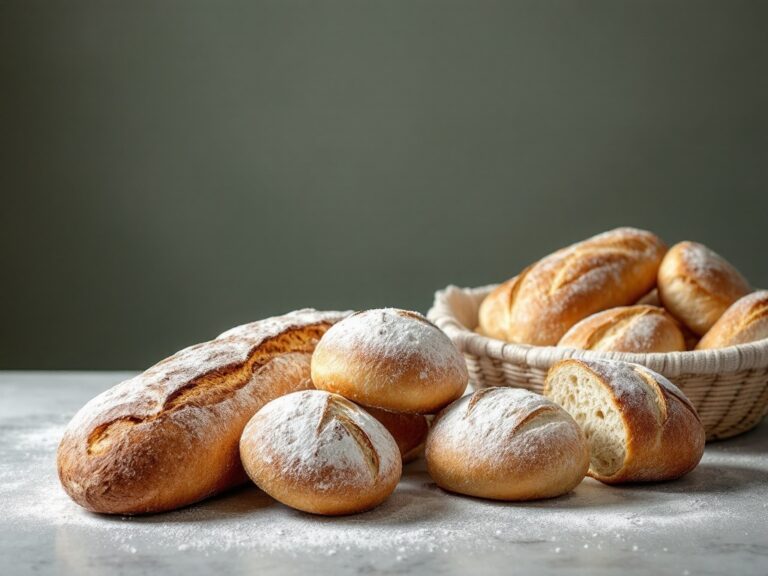
Bread, cookies, and cake read as the most wholesome, uncomplicated products in the store — flour, water, sugar, a little fat. In reality, industrial baking is one of the more supervision-intensive categories in the food world, because almost every functional decision hides a kosher question. The fat that gives a cookie its snap can be animal- or vegetable-derived. The conditioner that keeps a loaf soft for a week can be enzyme-based, with the enzymes themselves grown on media that must be checked. The same mixing line that ran a dairy batter in the morning may run a “pareve” dough in the afternoon. And grain products carry two additional standards — Yoshon and Pas Yisroel — that simply don’t exist in other categories. Certifying a bakery means looking past the short front-of-pack ingredient list to the fats, enzymes, emulsifiers, and line schedules that actually determine kosher status.
What we verify in every bakery & grain product
Shortenings and fats
Fat is where bakery certification most often lives or dies. Shortenings, margarines, and pan-release oils may be purely vegetable or may contain animal-derived fats or mono- and diglycerides whose source is not disclosed on the label. Because the same emulsifier name can describe a plant-based or a tallow-based ingredient, we require source documentation for every fat and emulsifier in the formula rather than accepting the ingredient name at face value. Getting the fat right is usually the single biggest step toward a clean certification.
Dough conditioners and enzymes
Modern bread relies on dough conditioners and enzymes to control texture, volume, and shelf life. Enzymes are typically produced by fermentation, but they are grown on nutrient media that can include dairy or other sensitive components, and some enzymes are animal-derived. Our review traces each enzyme and conditioner to its production method, following the same logic set out in our guide on whether enzymes are kosher. These ingredients appear in tiny quantities but can determine the status of the whole batch.
Emulsifiers and lecithin
Emulsifiers give baked goods their crumb, softness, and stability, and lecithin is one of the most common. Lecithin is usually soy-derived and straightforward, but it can also be sourced from egg or other origins, and the way it is processed matters. We verify the source of every emulsifier, including lecithin, against supplier records — the details are covered in our explainer on whether lecithin is kosher — so an ingredient designed to be invisible in the finished product is never invisible in the certification file.
Dairy vs. pareve lines
Many bakeries produce dairy and non-dairy items on shared equipment, which makes the dairy-versus-pareve question central. Butter, milk powder, whey, and dairy-based flavors push a product into the dairy category, while an otherwise identical recipe can be pareve if it is genuinely dairy-free and run on properly managed equipment. We examine your production schedule, cleaning between runs, and ingredient staging to determine which products can legitimately be certified pareve — a designation that meaningfully expands where and how your baked goods can be sold.
Fillings, inclusions and coatings
Chips, drizzles, creme fillings, fruit pastes, and enrobing chocolate each bring their own ingredient lists into the bakery, and they are frequently the source of a dairy designation or a hidden emulsifier concern. Chocolate is especially common and especially worth verifying, since its dairy status and emulsifiers vary widely by supplier; our overview of whether chocolate is kosher explains what to check. We review every inclusion and coating as its own mini-formula so a compliant dough isn’t compromised by what goes on or inside it.
Leavening and mixes
Baking powders, chemical leaveners, and packaged mixes bundle together starches, acids, flavors, and stabilizers, any of which can carry a concern. Mixes are essentially pre-assembled formulas, so we treat each one as a full ingredient review rather than a single line item. This ensures that a “just add water” product is certified with the same rigor as a scratch recipe, and that the convenience of a mix never becomes a blind spot.
Yoshon and Pas Yisroel: standards unique to grain
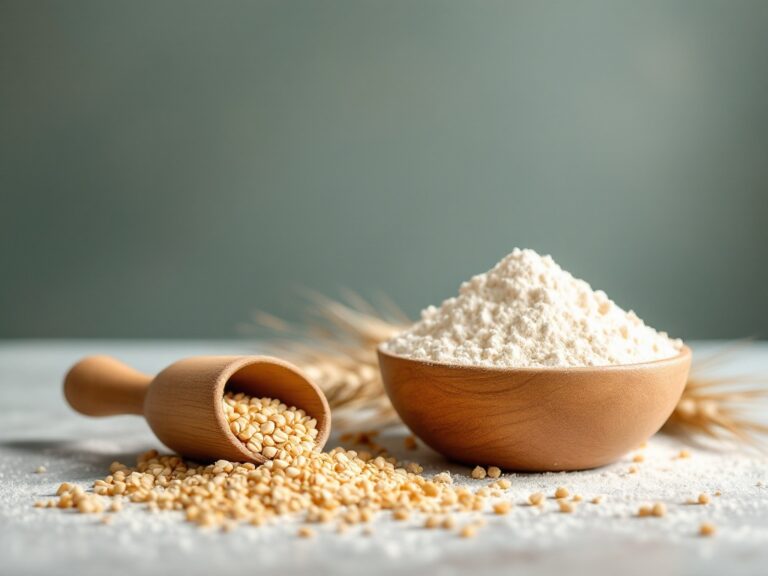
Grain products can be certified to two additional standards that many buyers specifically seek. Yoshon relates to when the grain was harvested and is important to a meaningful segment of the kosher market; our guide to what Yoshon is explains how it works and why it matters. Pas Yisroel is a higher standard concerning the involvement of a Jewish participant in the baking process, valued especially during certain times of year and by more stringent consumers — our explainer on what Pas Yisroel is covers the requirements. Where your operation can support these standards, they become a genuine market advantage, and we help you decide whether to pursue them.
How Pure K certifies your bakery & grain products
We start with a complete review of every formula — fats, conditioners, enzymes, emulsifiers, fillings, and mixes — backed by source documentation from your suppliers. We then look at your plant to understand dairy and pareve line management, cleaning between runs, and whether Yoshon or Pas Yisroel standards are achievable for you. Because bakery hides so much beneath a short label, this upfront tracing is what turns a smooth-looking product into a defensible certification.
From a single artisan bread to a full line of cookies, cakes, and mixes, we shape the review around your recipes and your equipment. To find out precisely what certification would look like for your bakery, request a free, no-obligation quote and we’ll outline the path to a certified, market-ready range.
Questions Bakery & Grain companies ask
It depends on cleaning and scheduling. We review your line and tell you whether it’s pareve or dairy — and how to keep it pareve if that’s the goal.
Only if your customers observe it. We can certify Pas Yisroel for your baked goods when it’s relevant to your market.
They can be — many are derived from sources that need verification. We trace each one to confirm kosher status.
For most year-round products, no. If you’re targeting the Yoshon market, we verify when the grain was harvested and milled.