Produce & packaged fresh kosher certification.
Produce has unique concerns
Insect Inspection
Leafy greens, broccoli, and berries require a verified protocol.
Waxes & Coatings
Fruit waxes, glazes, and oil coatings verified to source.
Processing Aids
Blanching and processing inputs verified to source.
Shared Equipment
Washing, packing, and roasting lines reviewed for cross-contact.
Produce & packaged fresh types
“Naturally kosher” still needs certification
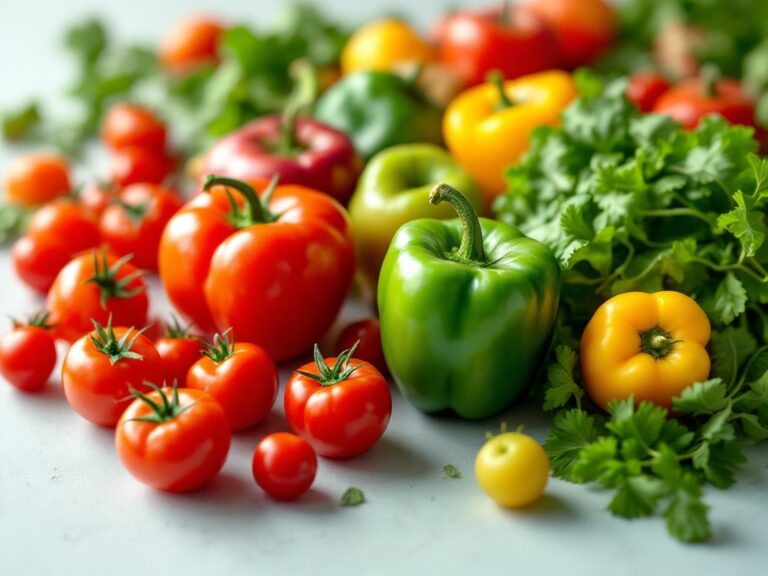
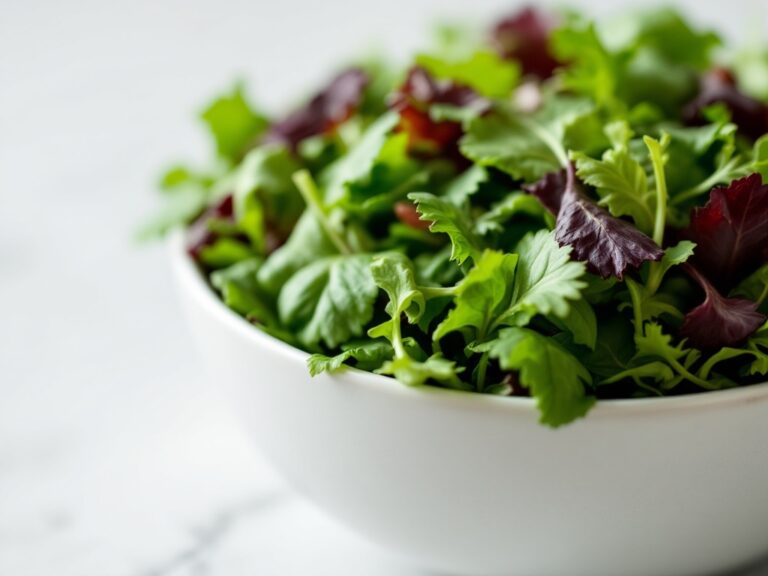
Produce is often described as naturally kosher, and in its raw state a fruit or vegetable carries no inherent kosher problem. But that description leads many manufacturers to assume certification is unnecessary — and that assumption misses the real concerns. The single biggest issue in this category is insects: leafy greens, broccoli, berries, and similar items can harbor tiny insects that are themselves not kosher, so inspection and a defensible cleaning protocol become the heart of certification. Beyond that, fresh and packaged produce picks up waxes and coatings, blanching and processing aids, oils on dried fruit, and — crucially — shared equipment with other, non-kosher products. And the packaged, frozen, and prepared segments of this category behave much more like processed food than like a raw apple. Certifying produce is less about the plant itself and more about what happens to it after harvest, and what buyers need documented before they’ll stock it.
What we verify in every produce & packaged fresh product
Insect inspection of leafy greens, broccoli, berries
Insect infestation is the defining kosher concern for produce. Leafy greens, broccoli, cauliflower, asparagus, and berries are among the items most prone to harboring insects, which are not kosher and cannot be washed away casually. Effective certification requires a validated inspection and washing protocol appropriate to each item, not a generic rinse. We assess which of your products are infestation-prone and build a checking regimen that reliably renders them acceptable — the core discipline of produce certification.
Waxes and coatings on fruit
Fresh fruit is frequently coated with waxes to extend shelf life and improve appearance, and those coatings — shellac, carnauba, and others — carry their own sourcing questions and can include additional carriers. A coating applied after harvest turns a raw fruit into something with a formulated ingredient on its surface. We identify every wax and coating used on your produce and verify its source and compliance, so the finish on an apple or citrus fruit is accounted for.
Processing and blanching aids (frozen)
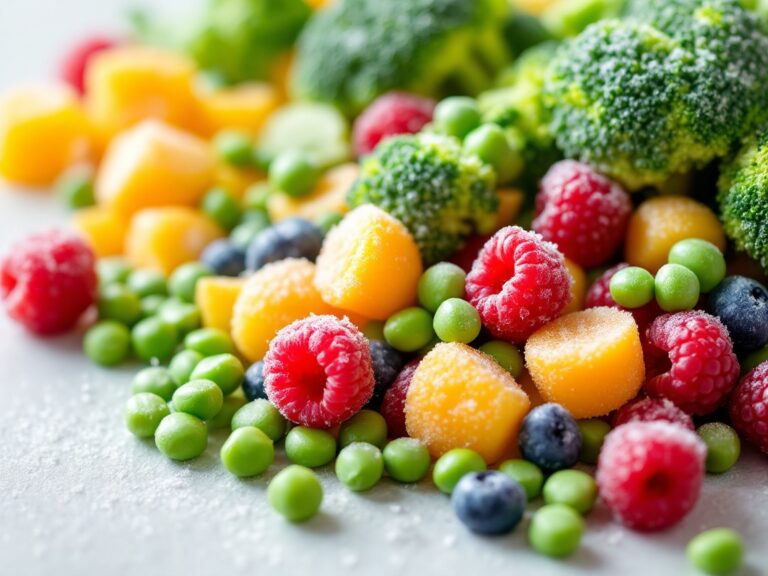
Frozen produce is blanched, and often treated with processing aids, before freezing. Blanching water, anti-browning treatments, and other aids can carry concerns, and frozen vegetable blends may include sauces or seasonings that bring their own ingredient lists. We review every processing and blanching aid, and any added components in a frozen blend, so a “just vegetables” product is verified as thoroughly as any other processed food.
Dried fruit oils and infestation
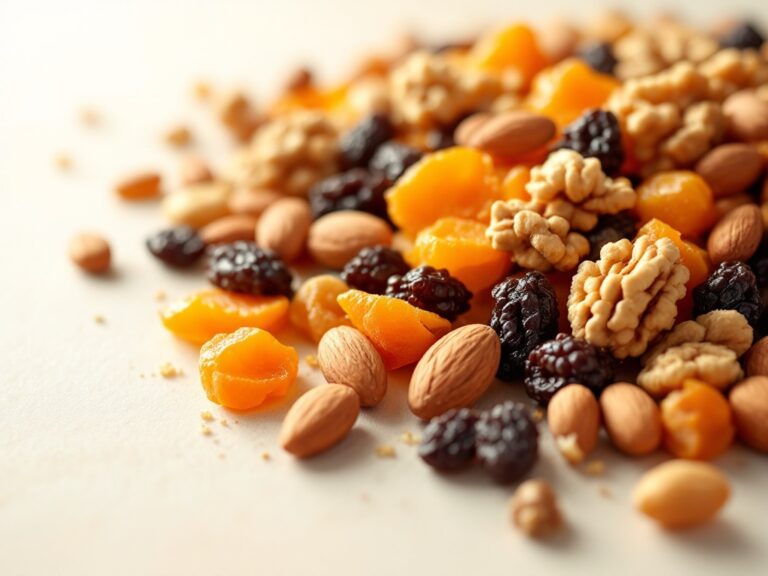
Dried fruit combines two concerns: the oils frequently applied to prevent sticking and improve appearance, which must be verified to source, and infestation, since dried fruits like figs, dates, apricots, and raisins are prone to insects. We check both — the coating oils and the inspection protocol — so dried fruit, which looks simple but sits at the intersection of processed and infestation-prone, is fully covered.
Shared equipment and lines
Packing houses and processors often run produce on equipment that also handles non-kosher products, or use shared washing, cutting, and packaging lines across many items. That shared equipment is a genuine kosher concern even for an inherently kosher vegetable. We review your line usage and cleaning between products so cross-contact from other production doesn’t compromise your certified produce.
Documentation buyers require
Retail and foodservice buyers increasingly require kosher documentation even for produce, both to satisfy kosher consumers and to standardize their supplier requirements. A clear certification — especially one that demonstrates a real insect-inspection protocol — is what lets your produce onto shelves and into kitchens that demand it. We produce documentation designed to meet those buyer requirements, turning certification into a commercial advantage rather than a formality.
Building an inspection protocol
The centerpiece of produce certification is a practical, validated inspection protocol tailored to your specific items and processing. For infestation-prone products, this means defining how each item is checked, washed, and verified — steps that must be workable at production scale, not just in theory. Our overview of what happens during a kosher inspection shows how these protocols come together on site. We help you build a regimen your team can run consistently and that a certifier can stand behind.
How Pure K certifies your produce & packaged fresh products
We assess which of your products are infestation-prone, verify every wax, coating, oil, and processing aid, and review your shared equipment and cleaning — then build the inspection protocols that make certification defensible. Because produce is assumed to be simple, this is exactly where a rigorous certifier adds the most value. If you’re unsure whether your line even requires certification, our guide on whether your product needs kosher certification and our primer on what kosher certification is are good starting points.
From fresh whole produce to packaged salads, frozen vegetables, and dried fruit, we shape the review around your items and your facility. To find out exactly what certification would involve for your products, request a free, no-obligation quote and we’ll map the path to a certified, buyer-ready line.
Questions produce companies ask
Raw produce is inherently kosher, but many items need insect inspection, and waxes or shared equipment can raise concerns. Certification documents a reliable protocol.
Leafy greens, broccoli, cauliflower, berries, and similar items are common examples. We set an inspection standard for each.
No — frozen broccoli, spinach, and berries still need a verified inspection protocol.
Some fruit waxes can be animal-derived, so we verify the coating source as part of certification.