
HOW WE CERTIFY · SUPPLEMENTS
Supplement kosher certification.
Vitamins, capsules, powders, and gummies — gelatin, glycerin, and excipients handled.
Jump to your category
WHAT WE CHECK
Supplements hide their concerns
Supplements are among the most kosher-sensitive products — gelatin shells, glycerin, magnesium stearate, and animal- or marine-derived actives all need tracing. We verify every input to its source.
Gelatin Shells
Capsule and softgel gelatin verified; vegetarian alternatives advised.
Glycerin & Excipients
Glycerin, magnesium stearate, and flow agents verified to source.
Source of Actives
Vitamin D3, omega oils, and amino acids verified to source.
Dairy & Whey
Whey protein and dairy actives reviewed; status labeled clearly.
WHAT WE CERTIFY
Supplement product types

Vitamins & Minerals
Tablets and actives — sources, binders, and excipients verified.
Explore
Capsules & Softgels
Gelatin source, glycerin, and shell ingredients verified.
Explore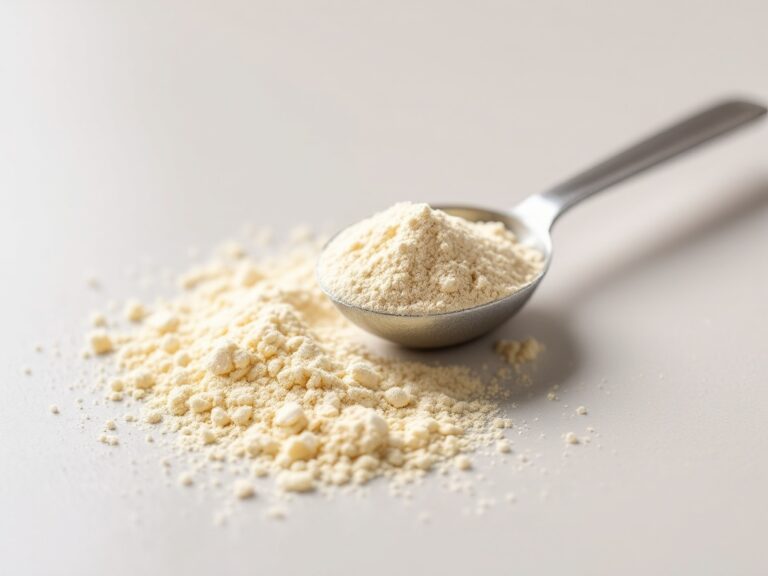
Powders & Protein
Dairy status, flavors, and amino sources verified.
Explore
Gummies & Chewables
Gelatin, pectin, colors, and glazes verified.
ExploreA deeper look at supplement certification
The most concern-dense category of all
If snacks pack the most concerns per bite, supplements pack the most concerns per product, full stop. Almost nothing in a capsule, softgel, or gummy is a whole food; nearly every component is a processed, isolated, or synthesized ingredient with a supply chain of its own. The shell may be gelatin. The softgel may be plasticized with glycerin. Vitamin D3 is commonly derived from lanolin, and omega-3s from marine sources. Protein actives may be whey. Flow agents like magnesium stearate keep the powder moving through the press. Every one of these carries a kosher question, and they stack up in a single tablet. That density — combined with a market where vegetarian and vegan claims matter enormously — is why supplements are among the most supervision-intensive products we certify, and why source documentation is everything.
What we verify in every supplement product
Capsule and softgel shells / gelatin
The delivery shell is often the biggest kosher question in a supplement. Traditional capsules and softgels are made from gelatin, which is almost always animal-derived and must be traced to source; vegetarian shells use plant-based alternatives that need their own verification. Because the shell can determine the status of the entire product, we establish exactly what it’s made from first, applying the analysis in our guide on whether gelatin is kosher.
Glycerin and excipients
Glycerin plasticizes softgel shells and appears throughout supplement formulations, and it can be plant- or animal-derived — a critical distinction that isn’t visible on the label. Alongside it sit a range of excipients: binders, fillers, disintegrants, and coatings. We verify glycerin and every excipient against supplier records, following our explainer on whether glycerin is kosher, so the “inactive” ingredients are held to the same standard as the actives.
Source of actives — D3, marine oils
The active ingredients themselves carry sourcing questions that surprise many manufacturers. Vitamin D3 is typically derived from lanolin (sheep’s wool), omega-3s from fish or algal oil, and other actives from animal, marine, or microbial origins. Each source has kosher implications and, often, vegetarian and vegan implications too. Our guide on whether vitamins are kosher walks through these origins; we verify the source of every active so the label claims and the certification align.
Dairy actives and whey
Protein powders and many performance formulas are built on whey and other dairy-derived actives, which require a dairy designation and demand attention to how the dairy ingredient itself was produced. We confirm the source and status of every dairy active, drawing on our overview of whether whey is kosher, and determine whether a product must be certified dairy or can legitimately be pareve. For a supplement brand, that designation shapes both compliance and market reach.
Gummy ingredients
Gummy supplements inherit every concern of confectionery on top of their supplement actives: gelatin or pectin as the gelling agent, carmine and other colors, glazes and waxes for finish, and glycerin for texture. That makes gummies one of the more complex supplement formats to certify. We treat the delivery format as its own layered formula, verifying the gelling system, colors, coatings, and texture agents alongside the nutritional actives.
Flow agents (magnesium stearate)
Tablets and capsules rely on lubricants and flow agents — magnesium stearate and stearic acid chief among them — to move powder cleanly through manufacturing equipment. These stearates can be plant- or animal-derived, and they appear in nearly every solid-dose product. Because they’re processing necessities rather than headline ingredients, they’re easy to overlook, which is exactly why we verify their source in every formula that uses them.
Vegetarian and vegan certification paths
Because so many supplement concerns turn on animal versus plant sourcing, kosher certification and vegetarian/vegan positioning naturally travel together. A brand that replaces gelatin shells with plant-based capsules, sources D3 from lichen instead of lanolin, and confirms plant-derived glycerin and stearates can pursue a vegetarian or vegan path alongside kosher — a powerful combination in today’s market. We help you see where your current formulas already qualify and where a single substitution would open an additional certification, so one review can advance several claims at once.
How Pure K certifies your supplement products
We conduct a component-by-component review of every formula — shells, glycerin, excipients, actives, dairy ingredients, gummy systems, and flow agents — supported by source documentation for each, and then examine your manufacturing to understand shared equipment and cleaning. Because supplements are the most concern-dense category we work in, this exhaustive tracing is the heart of the job, and our dedicated guide to kosher certification for supplements walks through the process in more detail.
From a single softgel to a full range of tablets, powders, and gummies, we build the review around your formulas and your facility. To find out exactly what certification would involve for your products, request a free, no-obligation quote and we’ll map the path to a certified, market-ready line.
Questions supplement companies ask
Are gelatin capsules a kosher problem?
Often, yes — gelatin is usually animal-derived. We verify kosher gelatin or help you switch to vegetarian HPMC capsules.
What about magnesium stearate and glycerin?
These common excipients can be animal- or plant-derived. We verify each to its source.
Is my protein powder dairy?
Whey and casein are dairy. We confirm the status and label your product clearly.
Can vitamin D3 or omega oils be certified?
They can — D3 and marine oils have specific sourcing concerns we verify before certifying.
Related reading
Ready to get certified?
Start with a free, no-obligation quote tailored to your supplement products.
- Free, with no obligation
- A real person replies within one business day
- Clear on timeline and cost up front
- Your formulations stay confidential