
SUPPLEMENTS · POWDERS & PROTEIN
Protein & powder kosher certification.
Protein and supplement powders — dairy status, flavors, and amino sources verified.
WHAT WE CHECK
Powders, from protein to flavor
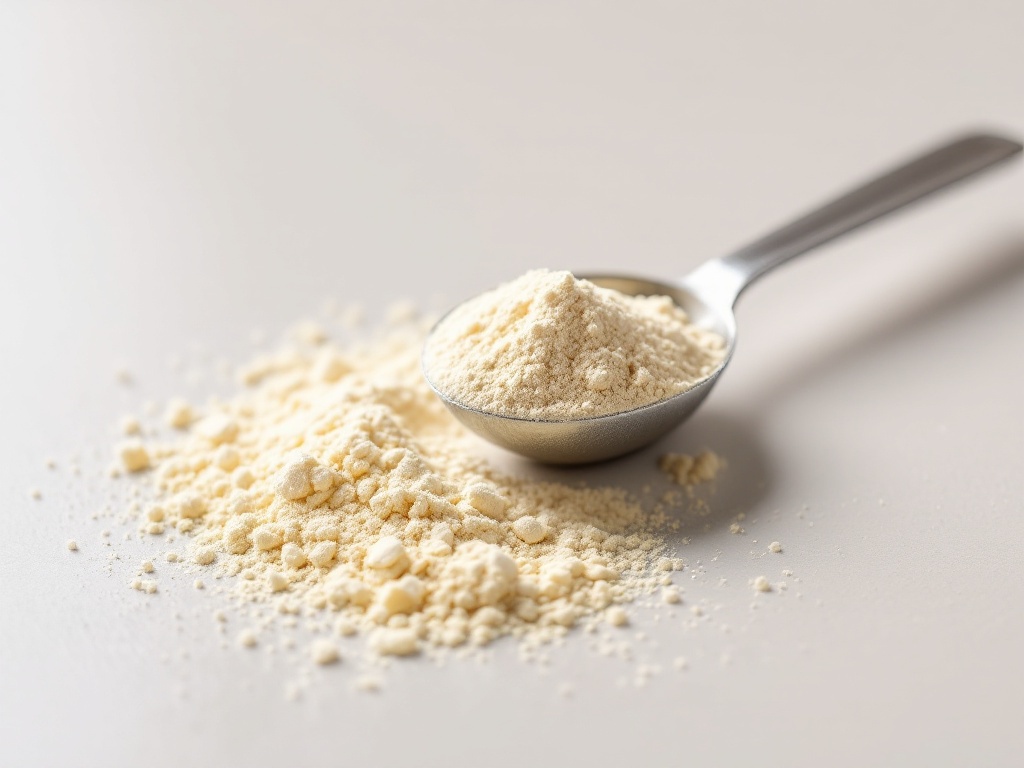
Protein powders hinge on the dairy status of whey and casein, plus flavors, sweeteners, and amino acids — each verified, with dairy status labeled clearly.
Whey & Dairy Status
Whey and casein verified; products labeled dairy where applicable.
Flavors & Sweeteners
Flavor systems and sweeteners traced to their source.
Amino Acids & Source
Added amino acids verified — some are fermentation- or animal-derived.
A deeper look at protein powder certification
Why protein and supplement powders need careful review
Protein and supplement powders combine a high-volume base ingredient with a dense flavor and additive system, and both halves raise kosher questions. The protein base often hinges on the dairy status of whey and casein, the flavors and sweeteners that make a powder palatable pull sub-ingredients from outside suppliers, and the amino acids and functional actives can be derived from sources that need verification. Because a scoop of powder is consumed daily and marketed on its clean-label credentials, the certificate has to be backed by a review that reaches from the protein source to the flavor system. Our supplements certification is built to trace a powder from its base protein through every flavor and additive to the finished tub.
What we verify in powders and protein
Whey, casein, and dairy status
Whey and casein are dairy-derived, and their status depends on how the dairy was produced and handled — a question that shapes both the kosher acceptability and the dairy designation of the whole powder. We trace the protein to its source and confirm its status. Our note on whether whey is kosher explains why whey, a byproduct of cheesemaking, carries questions that reach back to the cheese it came from.
Plant proteins and blends
Pea, soy, rice, and blended plant proteins avoid the dairy question but bring their own processing aids, enzymes, and carriers that still require verification. We confirm the source and certification of each protein and of the processing used to isolate it, since a plant base is not automatically free of status concerns.
Flavors and sweeteners
Flavor systems, cocoa, and sweeteners — sucralose, stevia, monk fruit, or sugar alcohols — make a powder palatable, and flavors in particular can hide sub-ingredients a spec sheet does not disclose. We verify each flavor and sweetener at its source rather than accepting the label at face value, since this is where an otherwise clean formula most often develops a gap.
Amino acids and functional actives
Added amino acids — L-cysteine, creatine, collagen peptides, and BCAAs — can be derived from animal, fermentation, or synthetic sources, and collagen in particular is animal-derived. We confirm the source of every amino acid and functional active, because these ingredients carry status that is not visible from the name alone.
Blending equipment and dairy changeovers
Blenders and filling lines run both dairy and pareve powders, so we review cleaning and run sequencing to keep a designation reliable. Establishing whether a powder is dairy or pareve is one of the most consequential outcomes of the review, and our pareve, dairy, and meat guide explains why that designation matters so much to your customers.
Certifying your protein powder with Pure K
Certifying a powder with Pure K means the protein base, the flavors, the sweeteners, the amino sources, and the shared equipment are all documented and the dairy designation is established correctly, so your tub carries a seal that holds up in any account. We know the supplement supply chain and keep the review thorough without slowing your production. When you are ready, request a free, no-obligation quote.
Ready to certify your protein powder?
Start with a free, no-obligation quote tailored to your protein and powder products.
- Free, with no obligation
- A real person replies within one business day
- Clear on timeline and cost up front
- Your formulations stay confidential
More in Supplements