

HOW WE CERTIFY · INGREDIENTS & FLAVORS
Ingredient & flavor kosher certification.
Flavors, colors, enzymes, and emulsifiers — the building blocks other manufacturers depend on.
Jump to your category
WHAT WE CHECK
Your certification unlocks your customers
Ingredient and flavor suppliers sit at the start of the supply chain — your kosher letter is what your manufacturer customers need to certify their own products. We trace every component to its source.
Flavor Components
Natural extractives, solvents, and carriers traced to source.
Carmine & Colors
Insect-derived carmine flagged; alternatives confirmed.
Enzymes & Rennet
Microbial vs animal source and growth media verified.
Emulsifiers & Gums
Mono- and diglycerides, lecithin, and gums verified to source.
WHAT WE CERTIFY
Ingredient & flavor types
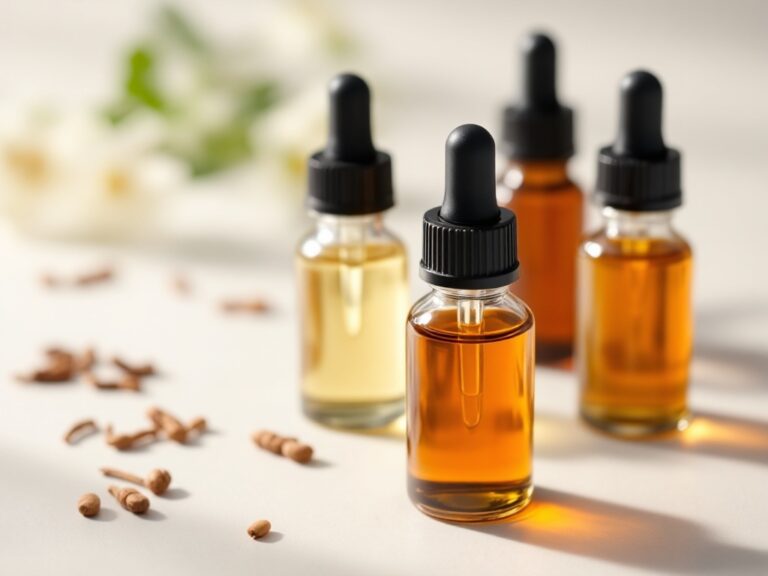
Flavors & Extracts
Natural and artificial flavors, extracts, and carriers verified.
Explore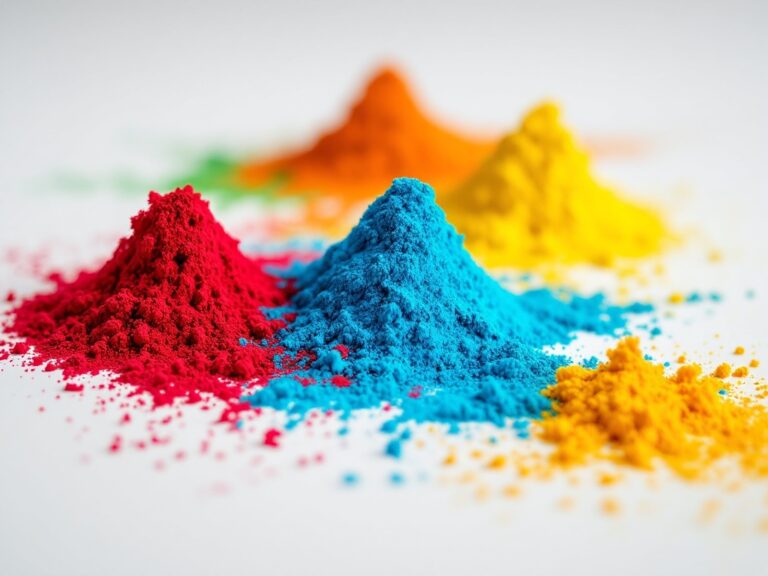
Colors
Carmine, annatto, and carriers verified to source.
Explore
Enzymes & Cultures
Microbial vs animal source and growth media verified.
Explore
Emulsifiers & Gums
Lecithin, mono- and diglycerides, and gum sources verified.
ExploreA deeper look at ingredient & flavor certification
Your certification unlocks everyone downstream
Ingredient and flavor companies occupy a unique position in the food industry: you sit at the very start of the supply chain, and your certification determines whether everyone downstream can certify their own products. A beverage maker cannot get a kosher soda approved if its flavor isn’t certified. A snack company cannot certify its seasoning if your color or emulsifier isn’t covered. This makes your kosher letter unusually valuable — it is not just a claim on your own product, it is a key that unlocks your customers’ products. It also makes your certification unusually demanding, because your ingredients are themselves built from sub-components, solvents, and carriers that each need tracing. Certifying an ingredient or flavor house means certifying the building blocks of the entire food system, which is why the work is so detailed and why buyers scrutinize the resulting letter so closely.
What we verify in every ingredient & flavor product
Flavor sub-components
A single flavor is rarely one thing — it is a compound built from aromatic chemicals, natural extracts, solvents, and carriers, often a dozen or more sub-components. Two suppliers can produce the “same” flavor with entirely different building blocks. We obtain the full formulation of each flavor and verify every sub-component, exactly as our guide on whether vanilla extract is kosher illustrates for one common case. Nothing is accepted on the strength of a flavor name.
Colors and carmine
Color suppliers face one of the most recognizable kosher concerns: carmine, the vivid pigment extracted from insects. Beyond carmine, colorants raise questions about carriers, solvents, and processing. We identify the exact colorant and its source for every product, applying the analysis in our piece on whether carmine is kosher, so a color you supply carries a certification your customers can rely on without further investigation.
Enzymes, rennet and cultures
Enzymes, rennet, and cultures are foundational ingredients for dairy, baking, and beverage manufacturers, and their kosher status depends on source and production method — rennet may be animal-derived, and enzymes are grown on media that must be checked. Our guide on whether enzymes are kosher lays out the questions involved. We trace each enzyme, rennet, and culture to its production so your customers can build certified products on top of them.
Emulsifiers, lecithin and gums
Emulsifiers, lecithin, and hydrocolloid gums are texture and stability workhorses used across nearly every food category. Lecithin can be soy-, egg-, or otherwise sourced; mono- and diglycerides can be plant- or animal-derived; gums have their own processing chains. We verify the source of each against supplier records, following our explainer on whether lecithin is kosher, so these functional ingredients are fully documented for the manufacturers who depend on them.
Flavor enhancers and MSG
Savory enhancers — MSG, yeast extracts, hydrolyzed proteins, and nucleotides — are staple ingredients you may supply to seasoning and prepared-food makers. Their kosher status turns on how they are produced and what they are grown or hydrolyzed from. We check each enhancer against its production method, in line with our guide on whether MSG is kosher, so the umami ingredients at the base of many recipes are certified with confidence.
Solvents and carriers
Flavors and extracts are carried and diluted in solvents, and one of the most important kosher questions is whether any solvent or carrier is grape- or alcohol-derived, since grape products fall under specialized and stricter rules. We identify every solvent and carrier in your formulations and verify its origin, because a carrier that seems purely functional can change the status of the ingredient it delivers — and, by extension, of every product your customers build with it.
The letter-of-certification chain
For ingredient and flavor suppliers, the certification letter is the product’s passport. Your customers’ certifying agencies will request your kosher letter, verify its scope, and rely on it when approving the finished goods that contain your ingredients. That means the accuracy, clarity, and up-to-date status of your letter directly affects your customers’ ability to sell — a lapse or ambiguity in your certification can stall an entire downstream product. We understand this chain intimately and issue documentation designed to satisfy the agencies and manufacturers who will scrutinize it; our dedicated overview of kosher certification for flavor and ingredient companies explains how we keep that chain clean.
How Pure K certifies your ingredient & flavor products
We trace every formulation down to its sub-components — flavor building blocks, colors, enzymes, emulsifiers, enhancers, solvents, and carriers — and require documentation for each. We then review your production and equipment, and we structure your certification letter so it stands up to the agencies and manufacturers who will build on it. Because you are upstream of everyone else, this precision is what makes your certification genuinely useful to your customers.
Whether you supply a single flavor system or a broad portfolio of ingredients to the food industry, we shape the review around your formulations and your customers’ requirements. To see what certification would involve — and how it can unlock new business with manufacturer customers — request a free, no-obligation quote.
Questions ingredient suppliers ask
Why do my customers need my kosher letter?
Manufacturers can only certify their finished product if every ingredient is backed by a kosher letter. Yours unlocks their certification.
Are natural flavors hard to certify?
They take more tracing — a flavor can have many sub-components — but most are certifiable once each is verified to source.
Is carmine the main color concern?
Yes — carmine is insect-derived. We confirm alternatives like beet or lycopene where needed.
Can enzymes and rennet be certified?
They can — we verify whether the source is microbial or animal and review the growth media.
Ready to get certified?
Start with a free, no-obligation quote tailored to your ingredient and flavor products.
- Free, with no obligation
- A real person replies within one business day
- Clear on timeline and cost up front
- Your formulations stay confidential