

HOW WE CERTIFY · SAUCES & CONDIMENTS
Sauce & condiment kosher certification.
Sauces, dressings, condiments, and dips — wine, dairy, anchovies, and shared lines handled.
Jump to your category
WHAT WE CHECK
Complex recipes, careful sourcing
Sauces and condiments are ingredient-dense — wine and vinegar, dairy bases, anchovies, stocks, flavors, and colors all need verifying, and shared lines shape the dairy or meat status.
Wine & Grape
Wine, cooking wine, and grape derivatives need special supervision.
Anchovies & Fish
Caesar and Worcestershire often contain fish — verified and labeled.
Dairy & Stocks
Dairy bases and meat stocks reviewed; status verified and labeled.
Flavors & Colors
Flavor systems and colors traced, including carmine.
WHAT WE CERTIFY
Sauce & condiment product types
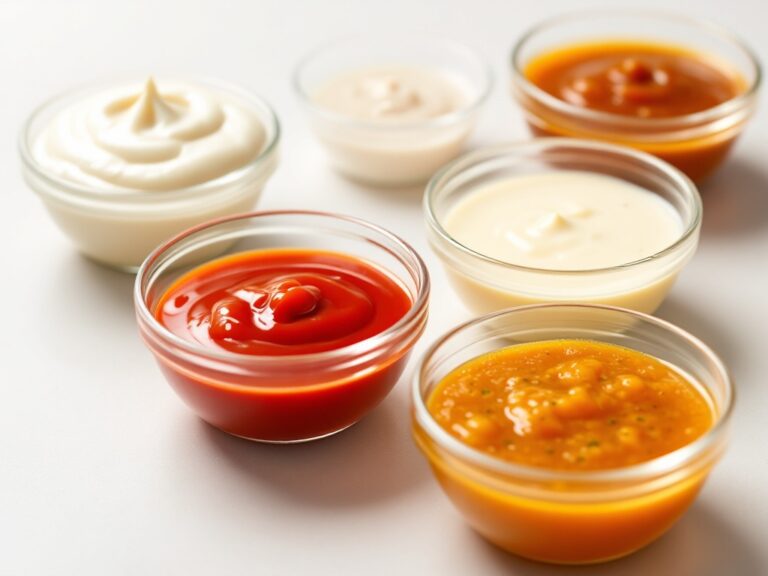
Sauces & Dressings
Dairy bases, wine, vinegar, and anchovies verified.
Explore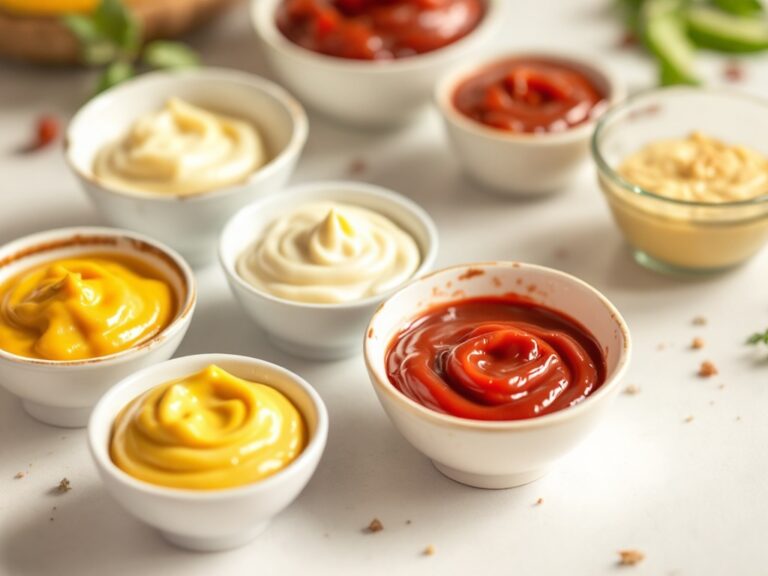
Condiments & Spreads
Vinegar, flavors, colors, and shared lines verified.
Explore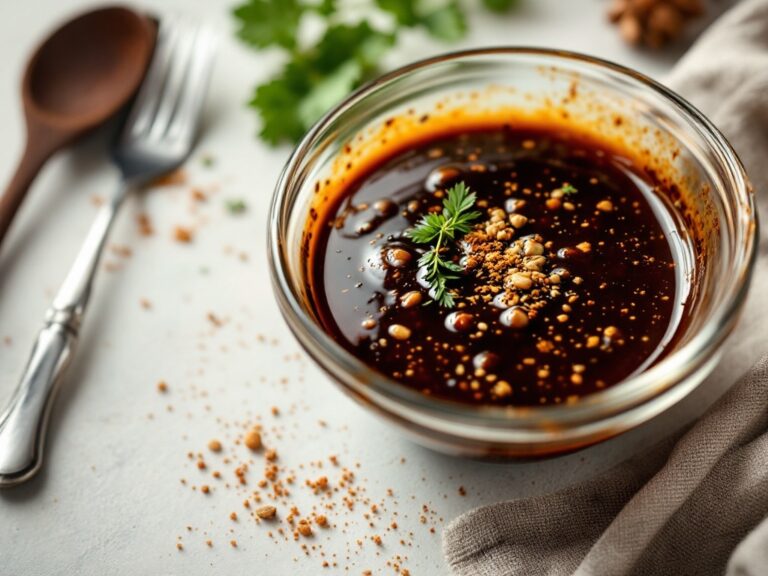
Marinades & Cooking Sauces
Wine, stocks, and flavors verified to source.
Explore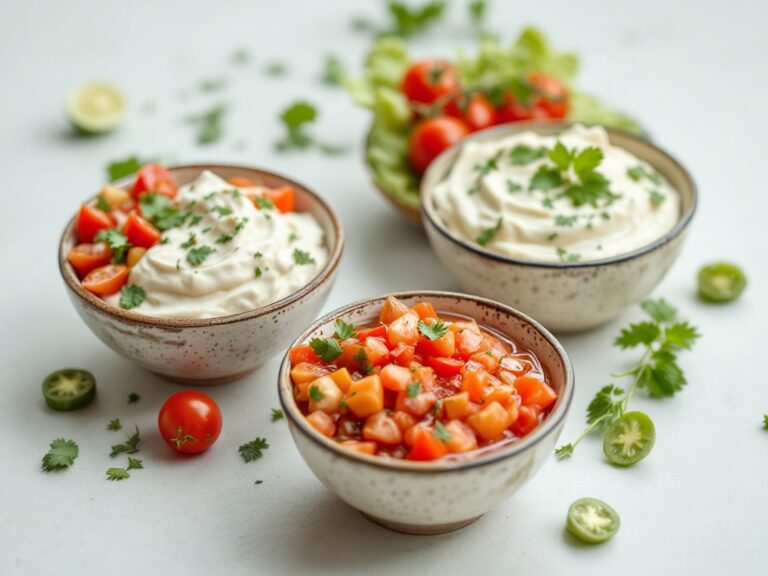
Dips & Salsas
Dairy bases, flavors, and shared lines verified.
ExploreA deeper look at sauce & condiment certification
Ingredient-dense by their very nature
Sauces and condiments are, by definition, blends — and blends are where kosher complexity concentrates. A single dressing might combine wine or wine vinegar, a dairy base, anchovies, a stock, several flavors, and a color, each pulling in a different kosher question. Worcestershire and Caesar hide fish. Creamy dressings and dips carry dairy. Cooking sauces lean on meat or poultry stocks. And because these products are formulated for depth of flavor, they reach for exactly the ingredients that demand the most scrutiny: fermented grape products, animal-derived stocks, fish, and dairy. Layered on top is the designation question — is this product dairy, meat, pareve, or fish? — which shapes both its kosher status and its market. Certifying a sauce line means untangling a genuinely dense recipe and assigning it the right designation with confidence.
What we verify in every sauce & condiment product
Wine, vinegar and grape derivatives
Wine, wine vinegar, balsamic, and other grape derivatives appear throughout sauces, marinades, and dressings — and grape products fall under specialized, stricter kosher rules that don’t apply to ordinary ingredients. Even a splash of cooking wine or a grape-based vinegar changes the supervision picture. Our guide on whether wine is kosher explains why. We flag every grape-derived ingredient and verify its handling from source to bottle.
Anchovies and fish
Fish hides in more condiments than most people realize. Worcestershire sauce, Caesar dressing, some fish sauces, and various savory bases contain anchovies or other fish, which carry their own kosher requirements and also trigger a fish designation that affects how the product may be consumed. We identify every fish-derived ingredient, verify its source and species, and account for it in the product’s designation so it is never an unlabeled surprise.
Dairy bases
Creamy dressings, cheese sauces, and many dips are built on milk, cream, buttermilk, or cheese cultures, making dairy a defining concern for a large share of this category. The dairy ingredient itself must be verified, and the product must carry a dairy designation. We confirm the source and status of every dairy base and examine whether shared equipment could affect other, non-dairy products in your range.
Stocks and broths
Cooking sauces, gravies, and many savory condiments draw their depth from meat or poultry stocks and broths, which introduce a meat designation and demand that the source animal and its processing be certified. Even “natural flavor” in a savory sauce can be meat-derived. We trace every stock, broth, and savory base to its origin so the meat status of your product is established accurately and the designation is defensible.
Flavors, colors and carmine
On top of their major components, sauces carry flavors and colors that bring the same concerns seen across the food industry — including carmine, the insect-derived red pigment that turns up in ketchups, hot sauces, and other red condiments. We verify each flavor system and colorant to source, drawing on our analysis of whether carmine is kosher, so the finishing ingredients don’t undermine an otherwise clean formula.
Shared lines and designation
Sauce and condiment plants routinely run dairy, meat, fish, and pareve products through shared cooking and filling equipment, which makes line management and cleaning central to certification. The wrong sequencing can transfer a designation from one product to another. We review your production schedule, changeovers, and cleaning protocols so each product’s designation reflects how it is actually made, not just its recipe on paper.
Dairy, meat, pareve and fish designations
More than almost any other category, sauces and condiments span all the kosher designations — dairy, meat, pareve, and fish — and often within a single product portfolio. Getting each designation right is both a religious requirement and a commercial one: a pareve sauce reaches a far wider table than a dairy or meat one, and mislabeling any of them undermines trust. We assign designations based on a full reading of ingredients and equipment, and our non-kosher ingredients checklist is a useful reference for the components most likely to drive a designation. The goal is a lineup where every jar is labeled precisely and as usefully as its formula allows.
How Pure K certifies your sauce & condiment products
We review every formula in full — wine and vinegar, fish, dairy bases, stocks, flavors, and colors — backed by supplier documentation, and we examine your plant to understand how dairy, meat, fish, and pareve products share equipment. Because sauces are so ingredient-dense and so designation-sensitive, this thorough tracing is what produces a certification you and your buyers can stand behind.
From a single dressing to a full range of sauces, condiments, and dips, we tailor the review to your recipes and equipment. To find out exactly what certification would involve for your products, request a free, no-obligation quote and we’ll map the path to a certified, market-ready line.
Questions sauce & condiment makers ask
Is the vinegar in my sauce a concern?
Most vinegars are fine, but wine and balsamic vinegars carry the grape concern. We verify the source.
Why are Caesar and Worcestershire flagged?
Both commonly contain anchovies, which makes them fish. We verify and label accordingly.
Will my creamy dressing be dairy?
If it contains milk, cream, or cheese, yes. We confirm the status and label it clearly.
Can cooking wine be certified?
Wine and grape derivatives need special supervision, but certified kosher wine inputs can be used.
Related reading
Ready to get certified?
Start with a free, no-obligation quote tailored to your sauce and condiment products.
- Free, with no obligation
- A real person replies within one business day
- Clear on timeline and cost up front
- Your formulations stay confidential