
Spices & Seasonings kosher certification.
Small ingredients, big supply chains
Blend Components
Each spice, carrier, and additive in a blend is traced to its source.
Extracts & Oleoresins
Flavor extracts and oleoresins can carry hidden kosher concerns.
Shared Lines & Carriers
Anti-caking agents and shared equipment affect status.
Co-Packers & Toll Blenders
We sort out certification across toll blenders and co-packers.
Spice & seasoning types we certify
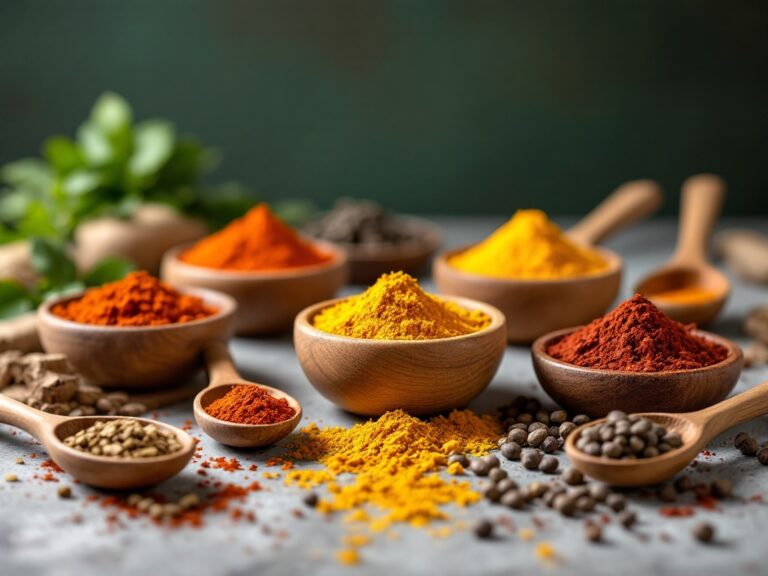
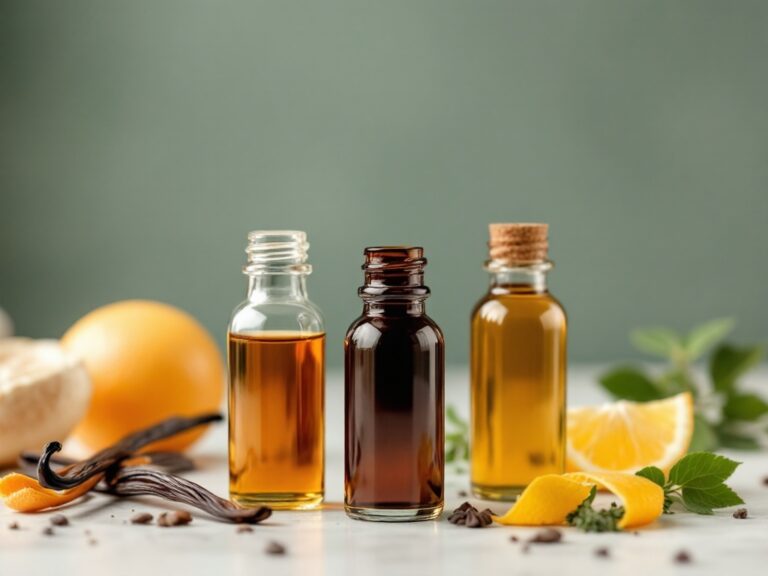
Small ingredients, sprawling supply chains
A seasoning blend can look like the simplest product on a manufacturer’s roster — a jar of powder, a few grams per serving. But that powder is often the meeting point of a dozen separate supply chains. A single barbecue rub might combine spices from three continents, a flavor enhancer from one supplier, an anti-caking agent from another, an oleoresin from a third, and a color from a fourth. Each of those components has its own sourcing, its own processing, and its own kosher questions, and each is usually made on equipment that also runs other products. That is what makes seasonings deceptively supervision-intensive: the finished blend is small, but the number of inputs and shared lines behind it is large. Certifying a spice house means certifying a web of suppliers, not just a recipe.
What we verify in every spice & seasoning product
Blend components from many suppliers
The defining feature of a seasoning blend is that it aggregates ingredients from numerous vendors, and a blend is only as kosher as its least-controlled component. We build a full component map for each formula and require certification for every sub-ingredient, so a single unverified spice or additive cannot quietly compromise the whole blend. This supplier-by-supplier discipline is the core of seasoning certification.
Carriers and anti-caking agents
Free-flowing powders depend on carriers, flow agents, and anti-caking agents such as silicates, starches, and sometimes fatty compounds. These are functional additives that rarely draw attention, yet a fat-based flow agent or an undisclosed carrier can carry a kosher concern. We verify the identity and source of every carrier and anti-caking agent, treating the “inactive” parts of a blend with the same care as the flavorful ones.
Flavor enhancers and MSG
Monosodium glutamate, yeast extracts, hydrolyzed proteins, and other savory enhancers are workhorses of the seasoning world, and their kosher status depends on how they are produced and what they are grown or hydrolyzed from. Our review checks each enhancer against its production method, in line with our explainer on whether MSG is kosher. Because these ingredients define the savory punch of a blend, verifying them properly is essential rather than optional.
Extracts and oleoresins
Many seasonings use extracts and oleoresins — concentrated flavor and color compounds pulled from spices using solvents. The solvent, the carrier, and any added flavor components all need review, and the same concerns that apply to vanilla and other extracts apply here; our guide on whether vanilla extract is kosher illustrates the kind of sub-component tracing involved. We obtain the full composition of each extract and oleoresin rather than accepting it as a single “natural” line item.
Colors including carmine
Seasonings often carry added color to standardize appearance, and red or orange blends may rely on carmine, the insect-derived pigment that is a well-known kosher concern. We identify every colorant and its source, applying the analysis from our piece on whether carmine is kosher, and flag any that require substitution before a certified run. Color is easy to overlook in a powder, which is exactly why we check it deliberately.
Shared lines and toll blenders
Spice blending frequently happens on shared equipment, and many companies use toll blenders who run dozens of unrelated formulas through the same mills and mixers. That makes cross-contact and equipment history a central concern. We review your own line management and, where you use outside blenders, extend the review to their facilities and cleaning protocols — because a blend certified on paper still has to be produced on equipment that supports it.
The B2B advantage: your letter unlocks your customers
Seasoning and blend makers sit upstream of countless food manufacturers, and for those customers your kosher letter is a gating requirement. A snack, sauce, or ready-meal producer cannot certify their own finished product unless every seasoning they buy is itself certified — which means your certification directly unlocks their business. Presenting a clean, well-documented kosher letter, and being able to show buyers exactly which of their concerns you’ve already addressed, turns certification from a compliance cost into a sales asset. Our non-kosher ingredients checklist is a useful reference for understanding what your manufacturer customers are screening for when they evaluate your blends.
How Pure K certifies your spice & seasoning products
We map every formula down to its individual components, require certification for each sub-ingredient, and verify the carriers, enhancers, extracts, and colors that make a blend work. We then review your blending lines — and any toll blenders you rely on — so the certification reflects how the product is actually made. Because seasonings pull from so many suppliers, this component-level tracing is where the real work lives.
Whether you produce single-origin spices or complex custom seasoning systems for other manufacturers, we shape the review around your formulas and supply chain. To see what certification would involve for your blends — and how quickly it can open doors with your manufacturer customers — request a free, no-obligation quote.
Questions Spices & Seasonings companies ask
Yes — carriers, anti-caking agents, and flavor components can all raise issues, and buyers increasingly require a recognized kosher certification.
These concentrated flavor ingredients need verification; we trace each to its source.
We help sort that out and make sure the supervision covers the actual production.
They can be, depending on source. We confirm each one.