
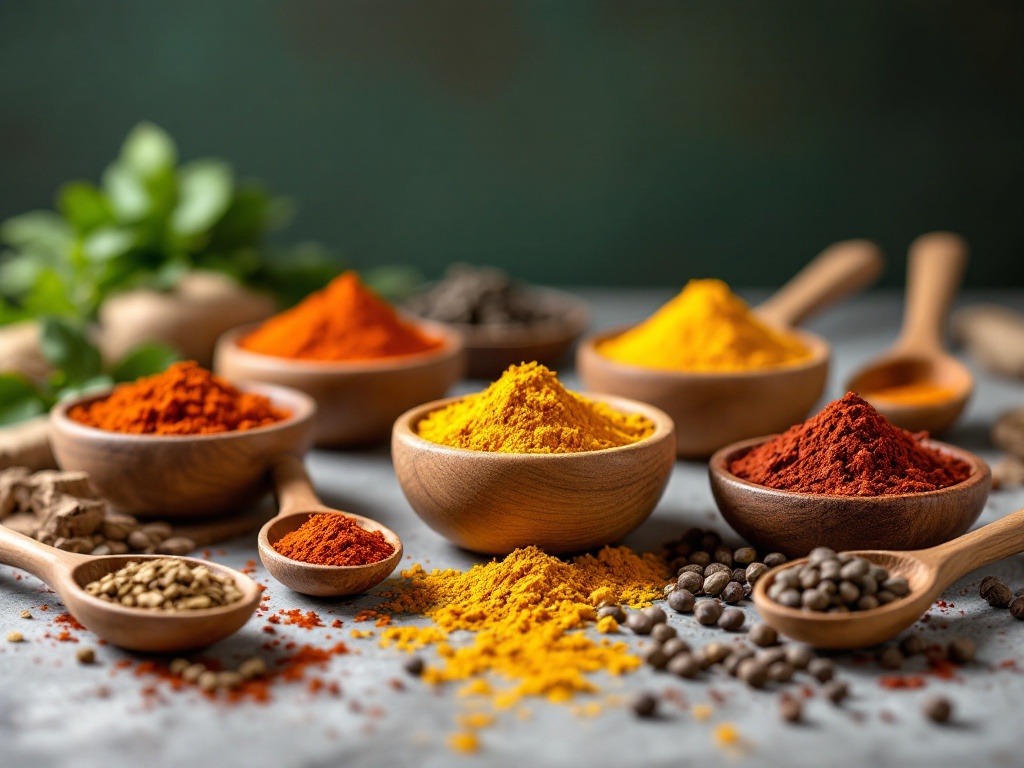
SPICES & SEASONINGS · SINGLE SPICES
Single spice kosher certification.
Whole and ground spices — sourcing, anti-caking agents, and shared lines verified.
WHAT WE CHECK
Single spices, traced to origin
Even a single spice can pick up kosher questions through anti-caking agents, blending carriers, or shared equipment. We trace each one to its source.
Sourcing & Origin
Country of origin and supplier verified for each spice.
Anti-Caking Agents
Free-flow and anti-caking agents confirmed for kosher status.
Shared Lines
Grinding and packing lines shared with other products reviewed.
A deeper look at single spice certification
Why a single spice still needs careful review
A jar of ground cumin or cracked black pepper looks like the simplest product a plant can make — one botanical, dried and milled. Yet single spices raise more kosher questions than most manufacturers expect. The raw material travels through a long global supply chain before it reaches your grinder, it is frequently treated with processing aids that never appear on the front label, and it almost always shares equipment with other spices and blends. Because a certification symbol on a “pure” spice signals to buyers that the entire chain has been checked, the review has to reach past the botanical itself. Our spices & seasonings certification program is built to trace each spice from its country of origin to the sealed container, so the seal you display reflects genuine oversight rather than an assumption that a natural product must be kosher.
What we verify in single spices
Sourcing and country of origin
Spices are commodities, and a single lot may be aggregated from several growers, brokers, and re-packers across different countries before it reaches you. We map that chain and confirm the botanical identity and origin of each spice, because a switch in supplier or region can quietly introduce a treatment or handling step that changes its kosher status. Documenting origin is also the first question buyers ask when they read a certificate, which is why understanding what kosher certification actually verifies helps frame why even an unblended spice needs a paper trail.
Anti-caking and free-flow agents
To keep ground spices pourable, processors commonly add small amounts of anti-caking or free-flow agents such as silicon dioxide, calcium stearate, or magnesium stearate. Stearates in particular can be sourced from animal or vegetable fats, and that sourcing determines whether the finished spice is acceptable. We confirm the identity and origin of every flow agent and its own certification status, so a “100% spice” label does not hide an ingredient that would otherwise disqualify the product.
Shared grinding and packing lines
Very few facilities dedicate a mill to one spice. The same grinder, sifter, and filling line typically run dozens of spices and seasoning blends, and residue from a previous run carries into the next. When a preceding product contained a non-kosher carrier, flavor, or fat, that carryover matters. We review your run sequencing, cleaning procedures, and the full roster of products sharing each line so we can confirm that a single spice is not picking up status issues from its neighbors.
Infestation and inspection
Dried botanicals are prone to insect infestation, which is both a kosher concern and a quality one. We look at how incoming material is inspected, sieved, and stored, and how you manage the risk in whole spices where insects are harder to detect than in ground product. This is one of the areas an inspector pays close attention to on site, so it helps to know in advance what happens during a kosher inspection and how the visit is structured.
Packaging, storage, and labeling
Finally, we confirm that the container, liner, and any release or lubricant used on filling equipment are acceptable, and that the certification mark is applied only to the products and runs it actually covers. Clear labeling protects both your customers and your certification, and it is worth checking whether your spices even fall inside a category that buyers expect to be certified by reviewing whether your product needs kosher certification at all.
Certifying your single spices with Pure K
Certifying a single spice with Pure K means every link in that quiet chain — origin, flow agents, shared equipment, infestation control, and packaging — is documented and verified, so the symbol on your jar carries real weight with the buyers and retailers who require it. Our team keeps the process straightforward and works around your production schedule, whether you run one spice or a hundred. When you are ready, request a free, no-obligation quote.
Ready to certify your spices?
Start with a free, no-obligation quote tailored to your spice products.
- Free, with no obligation
- A real person replies within one business day
- Clear on timeline and cost up front
- Your formulations stay confidential
More in Spices & Seasonings
Spice Blends & Rubs
Seasoning blends and rubs — every component, carrier, and additive verified.
Extracts
Flavor extracts and oleoresins — source materials, solvents, and carriers verified.
Seasoning Sauces
Marinades and seasoning sauces — flavors, vinegars, and additives reviewed, with clear designation.